.svg)

Summer Lawn Care Tips for New Hampshire: Keep Your Lawn Healthy Through Heat & Drought

Summer Lawn Care Tips for New Hampshire Homeowners: How to Keep Your Lawn Healthy During Heat and Drought
Summer is when homeowners want to enjoy their lawns the most. Backyard barbecues, family gatherings, outdoor games, and evenings spent relaxing outside all depend on having a healthy, attractive lawn.
Unfortunately, summer is also one of the most stressful seasons for cool-season grasses throughout New Hampshire. High temperatures, periods of drought, heavy foot traffic, and inconsistent watering can all take a toll on turf health.
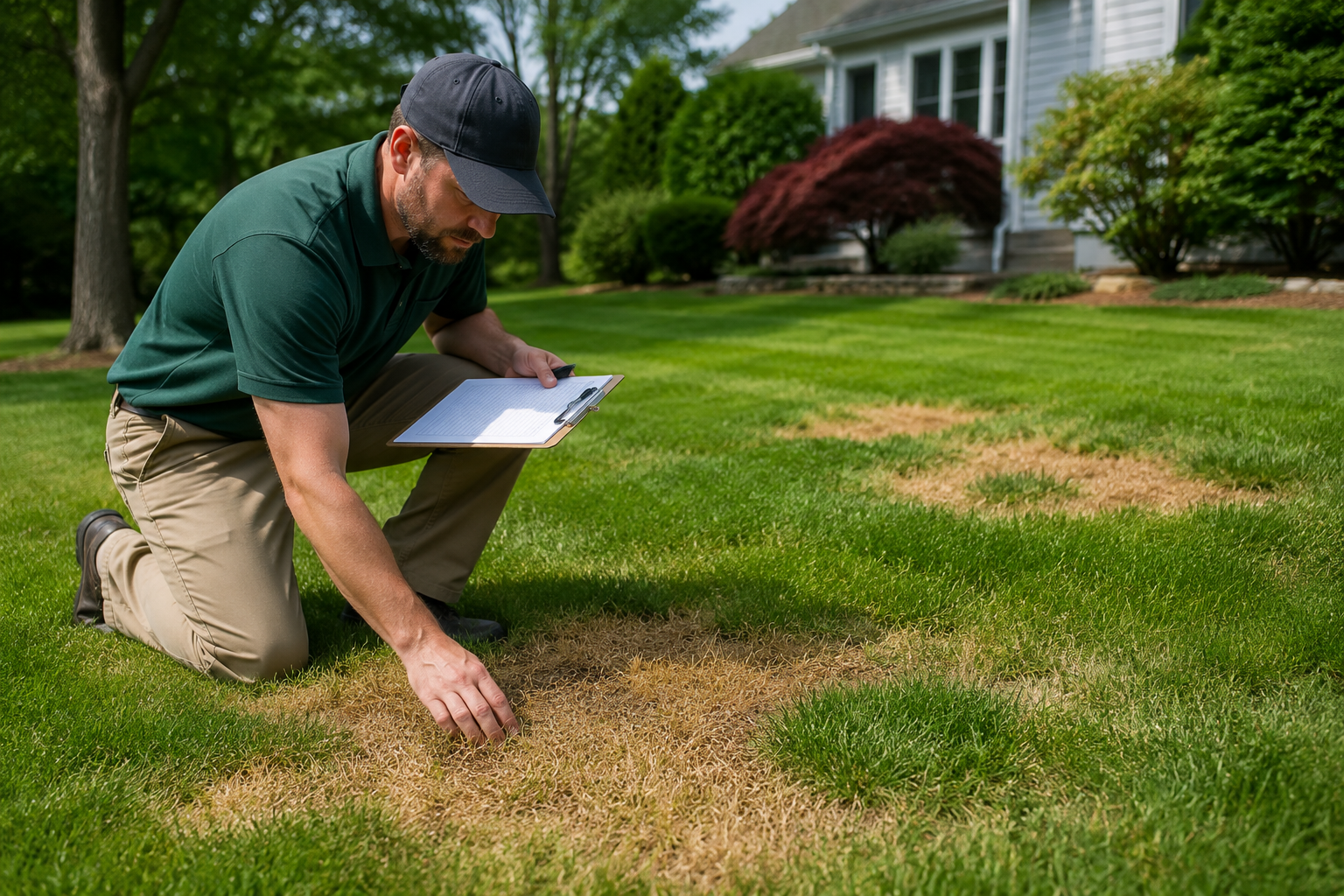
If you've noticed brown patches, thinning grass, or areas that seem less vibrant than they did in spring, you're not alone. Understanding how summer weather affects your lawn and knowing how to properly care for it can make a significant difference in how your lawn performs throughout the season.
At Rockingham Turf Care, we help homeowners across Southern New Hampshire maintain healthy lawns year-round. Here are some of the most important summer lawn care tips to help protect your investment during the hottest months of the year.
Why Summer Is So Stressful for New Hampshire Lawns
Most lawns throughout New Hampshire consist primarily of cool-season grasses such as Kentucky Bluegrass, Perennial Ryegrass, and Fine Fescue. These grasses thrive during the cooler temperatures of spring and fall but often struggle during prolonged periods of summer heat.
As temperatures rise, grass plants naturally shift their energy away from top growth and focus on survival. This can result in:
- Slower growth
- Browning or discoloration
- Wilting grass blades
- Increased weed pressure
- Reduced recovery from traffic or damage
- Greater susceptibility to insects and disease
While some summer stress is normal, proper lawn care practices can help minimize damage and encourage faster recovery.
Watering Properly Makes a Huge Difference
One of the most common mistakes homeowners make during summer is watering too frequently.
Many people turn sprinklers on for a few minutes every day, believing they are helping their lawn. In reality, shallow watering encourages shallow root systems, making grass less resilient during hot weather.
Instead, focus on deep, infrequent watering.
Most lawns benefit from approximately 1 to 1.5 inches of water per week, including rainfall.
The best watering practices include:
- Watering early in the morning
- Applying water deeply
- Allowing soil to dry slightly between watering cycles
- Avoiding evening irrigation when possible
Deep watering encourages roots to grow deeper into the soil, helping lawns withstand heat and drought more effectively.
Raise Your Mowing Height During Summer
If your lawn is struggling during summer, your mower may be contributing to the problem.
Many homeowners unknowingly mow too short during hot weather. While a shorter lawn may appear cleaner immediately after mowing, it often creates additional stress for the turf.
Taller grass provides several important benefits:
- Shades the soil surface
- Reduces moisture loss
- Encourages deeper root growth
- Improves drought tolerance
- Helps suppress weeds naturally
For most New Hampshire lawns, maintaining a mowing height between 3.5 and 4 inches during summer can help improve overall lawn health.
Remember the one-third rule: never remove more than one-third of the grass blade during a single mowing.
Expect Some Dormancy During Extreme Heat
One of the biggest misconceptions homeowners have is that a brown lawn automatically means a dead lawn.
In many cases, grass enters a natural state called dormancy when conditions become extremely hot or dry.
Dormant grass slows growth and turns brown as a survival mechanism. While it may not look ideal, dormancy helps protect the plant until cooler temperatures and rainfall return.
A dormant lawn can often recover successfully when proper moisture becomes available again.
The key is avoiding unnecessary stress while the lawn is dormant.
Watch for Summer Lawn Diseases
Heat and humidity can create favorable conditions for several lawn diseases commonly found in New Hampshire.
Some of the most common summer diseases include:
Brown Patch
Brown Patch often appears as circular patches of brown or tan grass during periods of high humidity and warm nighttime temperatures.
Dollar Spot
Dollar Spot creates small straw-colored spots throughout the lawn and is often associated with turf stress.
Red Thread
Red Thread commonly appears during periods of fluctuating weather and can create pink or reddish patches within the lawn.
Many lawn diseases are encouraged by excess moisture, poor airflow, and improper watering practices.
Maintaining proper watering schedules and healthy turf can help reduce disease pressure.
Control Weeds Before They Take Over
A stressed lawn creates opportunities for weeds to establish themselves.
When grass becomes thin due to drought or heat stress, weeds often move in quickly.
Common summer weeds include:
- Crabgrass
- Nutsedge
- Spurge
- Clover
- Broadleaf weeds
The healthiest lawns are naturally better at competing against weeds. Maintaining proper mowing height, watering practices, and fertility helps create a dense turf canopy that leaves fewer opportunities for weeds to germinate.
Limit Heavy Traffic During Stressful Periods
Lawns under heat stress recover more slowly from foot traffic.
If possible, try to:
- Rotate play areas
- Move outdoor furniture periodically
- Avoid excessive traffic on drought-stressed turf
- Keep equipment off weakened lawn areas
Reducing traffic helps minimize compaction and allows grass plants to recover more effectively.
Start Thinking About Fall Recovery
While summer lawn care focuses largely on protecting turf, fall is when many lawns experience their strongest growth and recovery.
Services such as:
- Core aeration
- Overseeding
- Fall fertilization
help repair summer damage and prepare lawns for the following spring.
Planning ahead for fall treatments can significantly improve lawn density, color, and overall health.
Partner With a Professional Lawn Care Team
Every lawn experiences some level of summer stress, but proper care can make a significant difference in how well your turf survives and recovers.
At Rockingham Turf Care, we provide professional lawn care programs designed specifically for New Hampshire lawns. From fertilization and weed control to disease management and seasonal lawn health recommendations, our team helps homeowners maintain healthier, stronger lawns throughout every season.
If your lawn is showing signs of summer stress or you'd like guidance on maintaining healthy turf during hot weather, contact Rockingham Turf Care today to learn more about our lawn care programs.